4 parts, 2026
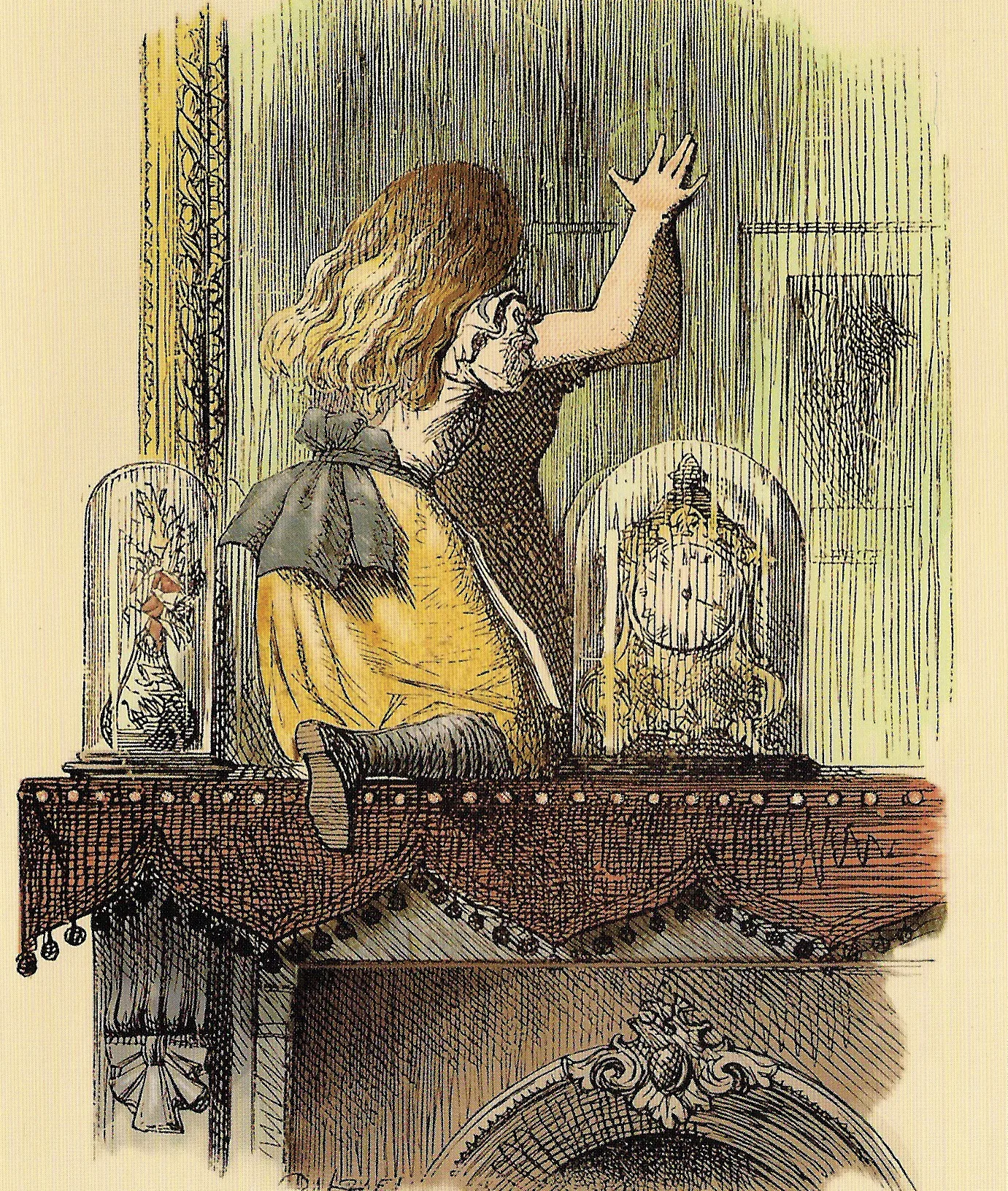
An LLM can get the facts right and still seem to say nothing. I try to explain that feeling with Deleuze and Lewis Carroll.
- The Prose With Nothing Behind It
- The Bellman's Method
- Denotation Without Answerability
- Bréhier's Scalpel

3 parts, 2025–2026
Why does a chatbot say “I”? I follow the pronoun from a design decision to the question it encourages us to ask: is there a self there?
- First-Person Pronouns Matter Too
- What "I" Means, Technically
- Consciousness is a Red Herring

3 parts, 2026
Can you measure what bothers you about AI prose? I start with a detector, worry at what fluent prose leaves out, and ask Claude to finish the Pope’s sentences.
- Stylometric Summer? Pangram Is Having a Moment
- Five Hundred and Forty-Six Words for Drunk
- Can Claude Complete the Pope’s Sentences?

3 parts, 2026
Wanting is work, I argue, and the firms measuring it are finding ways to own what it produces.
- The Work of Wanting
- How a Genre Gets Made
- The Corpus and the Enclosure

2 parts, 2026
Adults saw teenagers gathering and called it a takeover. Two essays on DC’s youth curfew, and why punishment rarely has to carry the burden of proof that support for young people does.
- They Saw a Takeover
- Who Has to Prove Their Worth?

2 parts, 2026
I call myself a legislative supremacist. Congress has handed its job to the presidency, and a better president won’t solve that.
- What Should We Fear, What May We Hope, and What Must We Do?
- Abolish the Prince!
2 parts, 2025
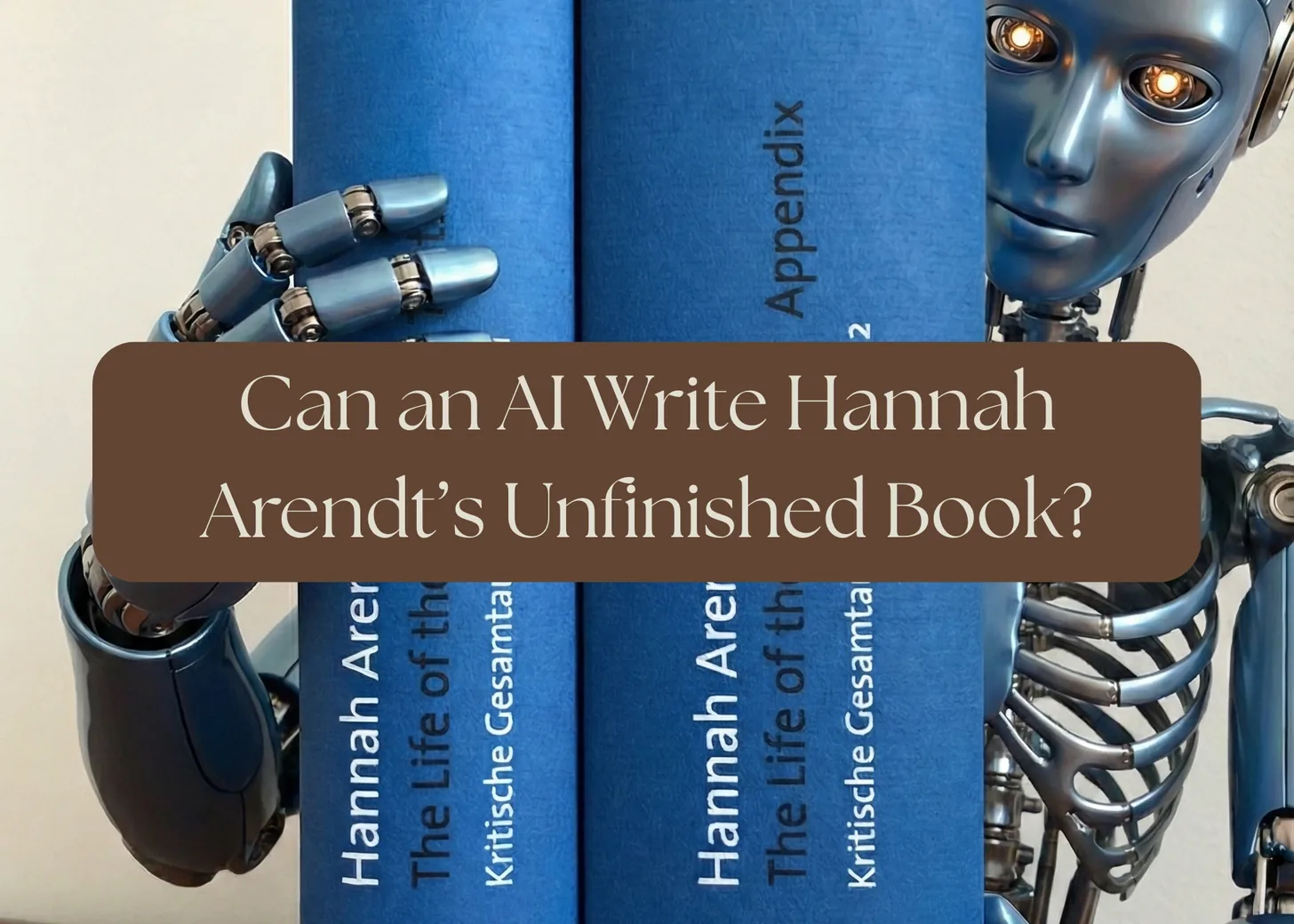
Arendt never wrote the volume on judging. I asked whether an AI could write it, and the experiment became a question about what we wanted from the missing book.
- Can an AI Write Hannah Arendt’s Unfinished Book?
- The Ghost Book: What Do We Want from Judging?

7 parts, 2009–2020
What keeps the power to police from becoming permission to act with impunity? I return to police testimony, the right to film, and the claim that accountability will make officers stop doing their jobs.
- “More Light!” Lying, Police Work, and the Exclusionary Rule
- Policing Theory
- New Evidence of Police False Statements
- What kind of right is the right to film police?
- We Must Demand Professional Policing For All
- Is Deliberate Underpolicing a Problem?
- Impunity and Policing
5 parts, 2017–2019
What happens when people try to build a life after prison? These essays take up education, work, sentencing, and the supervision that can keep release from becoming a fresh start.
- “Expanding College Opportunity in Our Nation’s Prisons”
- Loyalty, Research, and Prison Education
- Entrepreneurship and Returning Citizens
- IRAA 3.0: Second Look Review for Adults
- Supervision is a Major Barrier to Reentry

4 parts, 2009–2018
I return to prison reform over a decade, asking when a reform helps and when it leaves the institution’s purposes untouched.
- Getting Prison Reform Right
- Prison Abolition, Reform, and End-State Anxieties
- 6/7s Abolition
- Foucault on School-Prison and Prison-School Pipelines
7 parts, 2012–2018
A degree can be valuable even when its holder learns very little. That should bother those of us who teach.
- Academically Adrift’s Methodological Shipwreck
- Academically Adrift: How a First-Year Seminar Can Get the Academy Back on Course
- The Teleological Paradox in Utilitarianism and Education
- Foucault on Education and Human Capital
- Is “College for All” among the Ruling Ideas?
- For Education, Against Credentialism
- A mini-review of Bryan Caplan’s The Case Against Education

4 parts, 2016–2017
Who gets treated as surplus, and what do they do when they know it? I follow the question through marriage, work, imperialism, and the accursed share.
- Superfluous Men and Women
- Imperialism as a Response to Surpluses and Superfluousness
- “That man who has nothing to lose:” Black Americans and Superfluousness
- Touchstone Terms: The Accursed Share
5 parts, 2015–2016
Partisanship gives us sides to cheer for. Does it give us much power to act? These essays ask what citizens could do with more of it.
- Citizen, Renew Thyself
- Elections, Partisanship, and the Call for Moderation in Civic Life
- Partisanship Has Reduced Our Efficacy as Citizens
- Should Public Civic Education Be Descriptive or Normative?
- Diversity, Equality, and Realignment

4 parts, 2015–2016
The families in Charleston forgave the murderer. What sort of act was that, and what could it ask of the rest of us?
- Forgiveness in Charleston and South Africa: Political or Theological?
- Margalit and Derrida on Forgiveness and the Skandalon
- When not to Forgive: Lessons from the Donatists
- Forgiveness and Revenge Seminar Retrospective

6 parts, 2010–2012
What does campaign money buy? I follow the argument from Citizens United through the 2012 election, with some doubts about the measures people use.
- Citizens United v. FEC: Yes, corporations are people, too.
- Democratic Facts and Norms: Testable Hypotheses about Citizens United
- Did the Bipartisan Campaign Reform Act “Bend the Cost Curve” on Campaign Spending?
- Peter Levine on Super PAC game theory
- 2012 is NOT the Most Expensive Election in History, in GDP-adjusted Terms
- Lee Drutman on Why Money Still Matters

8 parts, 2009–2012
I kept returning to contempt: when we may feel it, what it says about its target, and whether it can justify punishment.
- Signalling Theory and Status Moves
- Should there be a place for disdain in our emotional lives?
- More on Contempt
- Against Deference: Epistemic Privilege Considered
- Appiah’s Honor
- Blame, Offense, and (again) Contempt
- Are Status Emotions Defensible as Character Judgments?
- Status Emotions and Punishment

6 parts, 2011–2012
Give everyone an income and pay for it with a VAT. Then work through the objections, starting with immigration and ending with how to get there.
- Is more illegal immigration the best we can do?
- Does Basic Income + VAT “Solve” Immigration?
- More on Guaranteed Income
- Using Basic Income to Sell a Carbon Tax
- Another Badly-Aimed Attack on the Basic Income Guarantee
- Transitioning to BIG+VAT
4 parts, 2012
If you can quit, does that make your boss’s power over you acceptable? A 2012 argument with the Bleeding Heart Libertarians and Crooked Timber, down to who gets a bathroom break.
- Exit, Voice, and Cheap Talk
- The Fallacy Fallacy [sic] of Mood Affiliation
- Consider the Bathroom Break
- Voice Beyond Recourse and Rights
3 parts, 2012
I began by defending Jason Brennan against his critics, then had to reconsider what I was defending. Three posts on voting badly and who gets to decide that someone should not vote.
- Must we destroy the profession in order to save it?
- Apologies to Eric Schliesser
- Fear of Democracy

3 parts, 2010–2011
What do we owe the children we might have? I take up procreative rights and cloning, then test my own antinatalist leanings against Arendt’s natality.
- Thinking about Procreative Rights and Duties
- Cloning isn’t about Genetic Identity: More on Procreation
- Arendtian Natality, Caplan, and Antinatalism
6 parts, 2011
We cannot undo what we have done. Arendt thought forgiveness might let us act again. I work through what that asks of us, and where her suspicion of charity gets in the way.
- Forgiveness and the Problem of Irreversibility
- Forgiveness as a Manifestation of Divine Charity
- A Duty to Forgive?
- Prejudice as the Crystallization of Judgments
- Charity as a Flight from Politics
- Publicity Without Politics

4 parts, 2010
Was WikiLeaks journalism, an act of war, or a new way of governing? Four posts from December 2010 on the cables, the Assange commentators, and what leaking might do to the business of government.
- Two Theories of Wikileaks, or Just One?
- The Growing Field of Julian Assange Secondary Scholarship
- Wikileaks and War
- Wikileaks as Distributed Governance

4 parts, 2010
What would an institution have to do to get moral questions right? I began with the Catholic Church’s handling of clergy abuse.
- The Roman Catholic Church
- Pedophilia and Pathology
- A Reply
- The Abstract
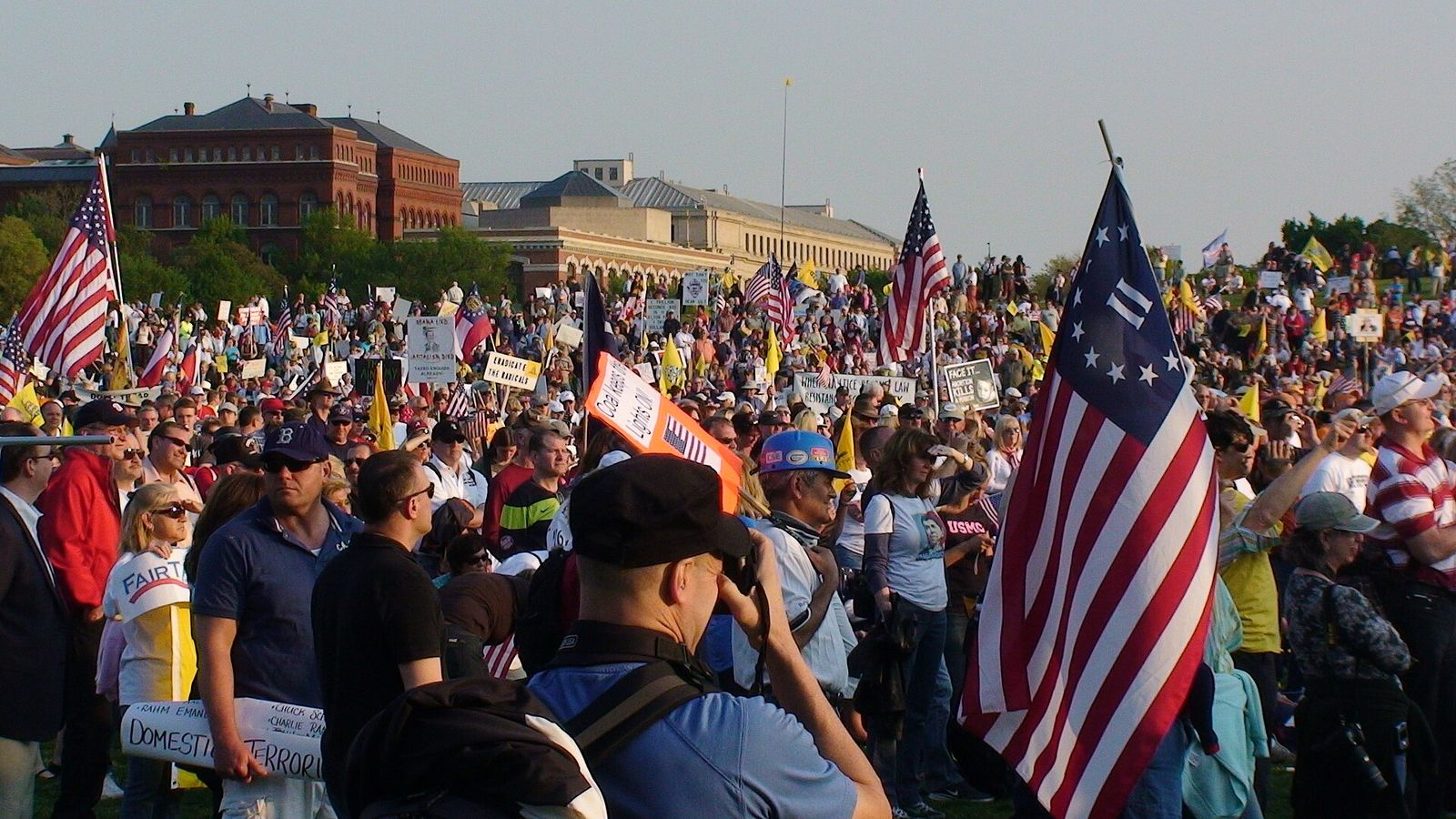
3 parts, 2010
I thought many of the arguments against the Tea Party were too easy. Three posts from March 2010 about the movement and the weakest opponents its critics chose to argue with.
- The Tea Party Movement
- Tea Party Follow-up
- The Weak Man Fallacy
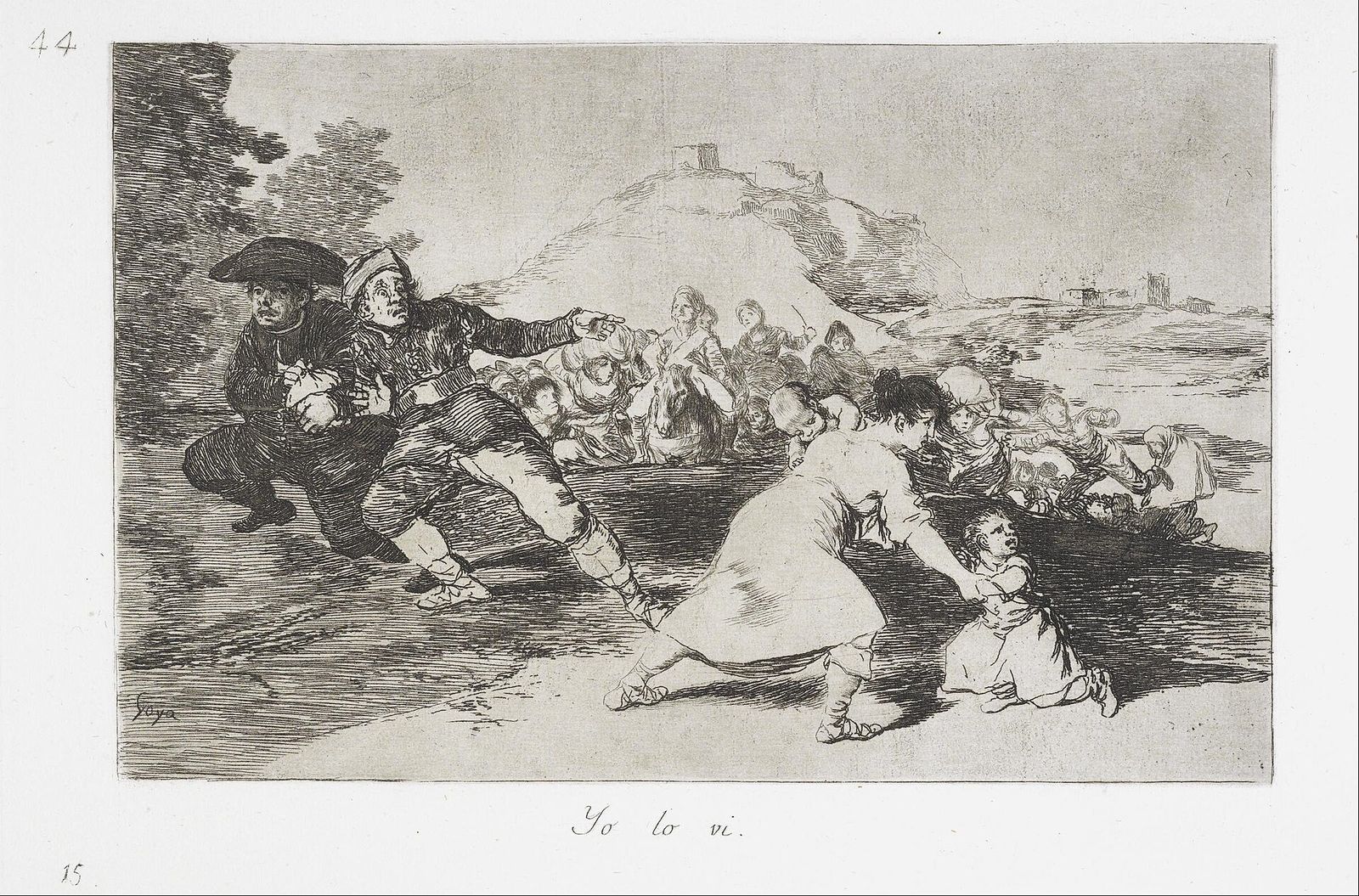
5 parts, 2009
Predictions can be checked against what happens. What checks a moral claim? An argument from 2009 about moral progress and moral realism.
- Is Moral Progress Due to Moral Imagination or Condemnation?
- The Will-Be/Ought Gap: Marking Ideas to Market and Moral Realism
- Verifying Moral Realism (The Will-be/Ought Gap, continued)
- Bridging The Will-Be/Ought Gap
- Beyond ‘Real’ and ‘Relative’: What are moral propositions about?
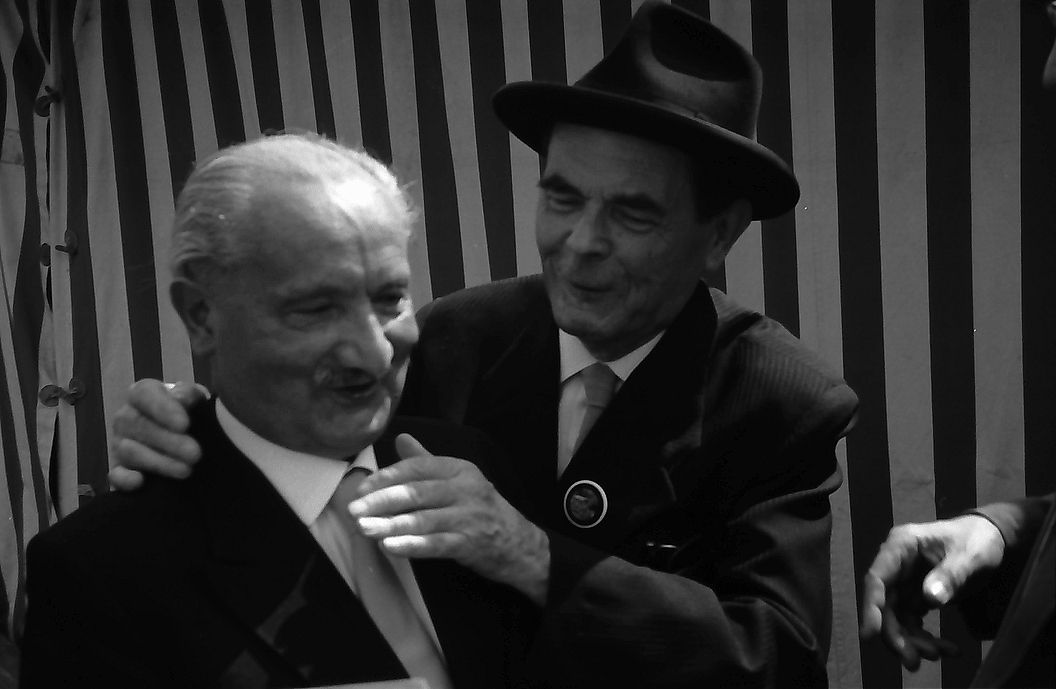
2 parts, 2009
The apologists want to keep Heidegger’s philosophy and leave his Nazism behind. Two posts from November 2009 on why that separation has to be argued for.
- The Dasein/Non-Dasein Problem
- Heidegger and Nazism