Sequence 8 parts 2009–2012
Contempt and Status Emotions
I kept returning to contempt: when we may feel it, what it says about its target, and whether it can justify punishment.
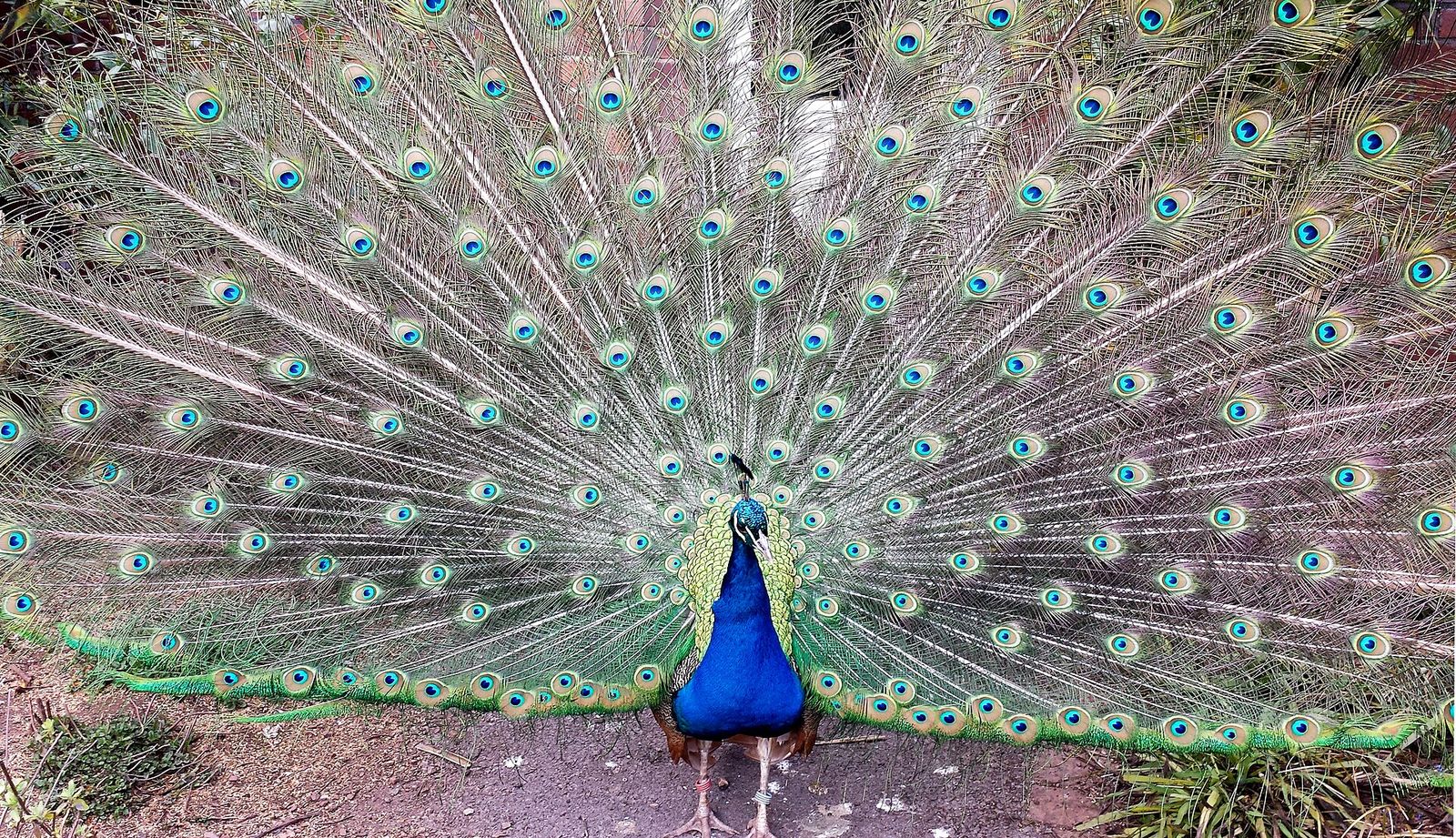

Signalling Theory and Status Moves
Economists have long been fascinated by the biological role of “costly signalling.” Think of the peacock’s plumage. In biology, signalling is generally about mating . The idea is that the peacock’s absurd feathers are difficult to maintain, and a female peacock who notices his plumage will have to acknowledge that he must be pretty fit and…
Should there be a place for disdain in our emotional lives?
In this post, I want to argue that disdain, contempt, and scorn have no moral place in our emotional lives. In short, my claim is that these emotions are immoral because they target persons and not…
More on Contempt
A friend suggests that my recent arguments against the moral status of contempt ignored an important role it plays in policing our moral community. The concern is that if we cannot feel (and expect others to feel) contempt for someone like Bernie Madoff, then we will lose the morally instructive value of punishment. If we…
Against Deference: Epistemic Privilege Considered
Following up on my claim in the last post that “honor produces error,” in my view, the problem is epistemic privilege, i.e. deference. By deference, I mean the epistemic privileges that some people receive or earn through demonstrating their erudition or looking like they know what they’re talking about. When you think of deference, you…
Appiah’s Honor
Perhaps a better title for Appiah’s book would be The Shame Code, because his account of the role of honor in policing behavior. For Appiah, an honor code is a set of principles for justifying respect, and his examples show that the drive to pursue of honor and avoid of dishonor can be extremely influential. Many people will do anything to preserve their reputations, and if their society requires them to fight duels, keep slaves, bind their feet, murder their daughters, or mutilate their childrens’ genitals, they will. While folks like me see this as a reason to decry honor, Appiah sees an opportunity: all we need to do is change the code, and the duelers, slavers, binders, murders, and mutilators will change their tune.
Blame, Offense, and (again) Contempt
1. Two studies suggest that women apologize more than men. The reason? They are more easily offended, and find more actions more offensive: In Study 1, participants reported in daily diaries all offenses they committed or experienced and whether an apology had been offered. Women reported offering more apologies than men, but they also reported…
Are Status Emotions Defensible as Character Judgments?
One major defense of status emotions like deference and disdain is that they count as judgments of a person’s character. We defer to experts because they have a history of being right; we disdain scoundrels because they have a history of cheating or misleading us. In this sense, status emotions are akin to other reactive…
Status Emotions and Punishment
I haven’t written much about status emotions , recently, but I came across one of my favorite Facebook memes and remembered again how central it seems. I don’t endorse the misogyny here, but it perfectly describes the way that fundamental attribution bias transforms resentment into contempt, and thus leads, in my view, to both epistemic…