[caption id=”” align=”aligncenter” width=”373″] This happens a lot in philosophy.[/caption] Update: As Scu points out, sharing this opens me up to the scrollover text (which doesn’t show on hotlink): “‘But you’re using that same tactic to try to feel superior to me, too!’ ‘Sorry, that accusation expires after one use per conversation.’”
While to many people the reformer and the abolitionist are indistinguishably radical, there is a disheartening tendency for reformers and abolitionists to fight rhetorical battles about the strategies and ends of the movement. Thus we are riven by rhetoric. To the abolitionist, this is because reform tends to reassert the status quo after superficial changes: the risks of complicity are real. To the reformer, though, this is unfortunate, because we could be more effective in solidarity.
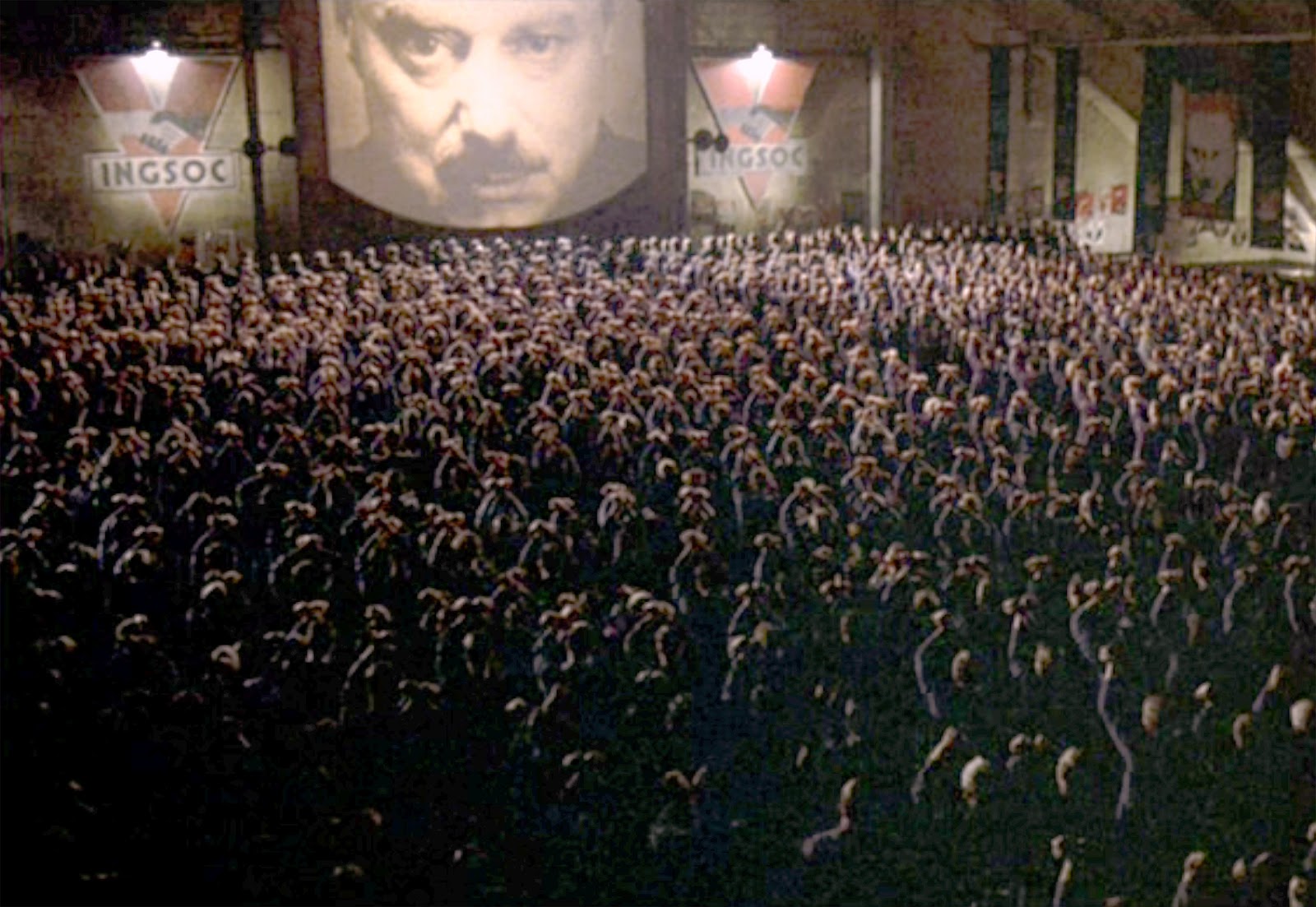
Everyone always learns the wrong lesson from the Stanford Prison Experiment and the Milgram Shock Study: we always think it means that other people are horrible. We ignore the possibility that we might be horrible, too, given the right circumstances.
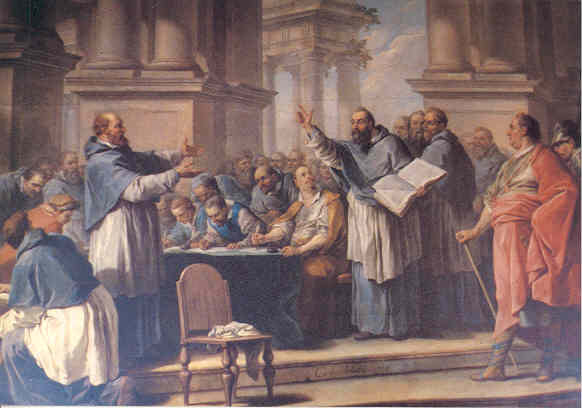
The Donatists judged that reunion with the Catholics would entail a new domination by the crumbling Roman Empire. They refused to forgive, refused to share authority and a political world with Roman agents who claimed to want only peace but had historically engaged in political domination in the region. The question that Augustine’s letters present is this: could they forgo ‘sharing authority’ while preserving the charitable affect of dwelling in a shared world? Generally speaking charity does not demand agreement or the fusion of horizons, certainly not in the face of an unforgiveable scandal.
No matter how much we might disagree about one law or policy, that disagreement should not be allowed to destroy the possibility of a future alliance on a different problem. Citizens tempted by partisanship have to find a way to hold their ideas and convictions loosely. They have to preserve civic friendship and reject permanent divisions.
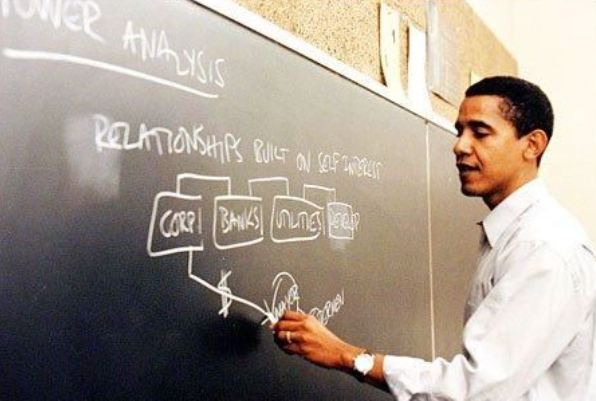
A citizens movement doesn’t have to be leaderless, but the kinds of leaders ensconced at the top of large institutions are not well-suited to be the leaders of civic renewal movements. They can inspire and celebrate such movements, but neither Barack Obama nor Bernie Sanders nor Pope Francis can lead them. Their institutional authority appears to be inimical to the very bottom-up power they’re trying to engender.
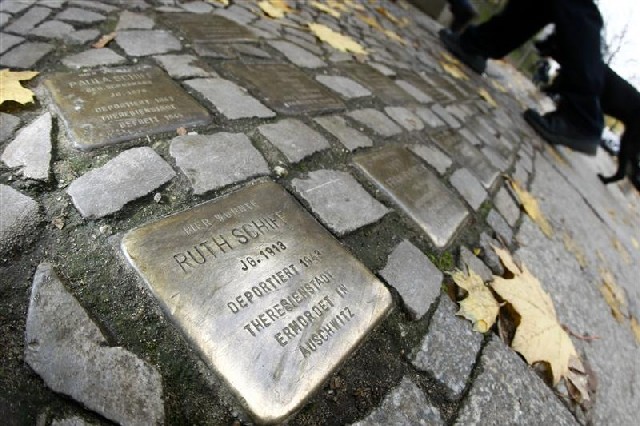
As I see it, the limit of forgiveness is not within our voluntary power, an act of will, but rather in developing the capacity to imagine the act that we are trying to forgive. Thus the skandalon of forgiveness is an imaginative challenge, we stumble over it when acts are unimaginable, and we overleap it when our imagination succeeds. We make these imagined acts meaningful for others through poiesis: we create a world of meaning in which they are imaginable by marking exemplars, noting commonalities, and creating spaces of remembrance. The product of our work thus makes these meaningless deaths and thought-defying atrocities meaningful and thinkable. If you think about it from the perspective of un-consolable resentment, this is a crime akin to justification or exoneration.
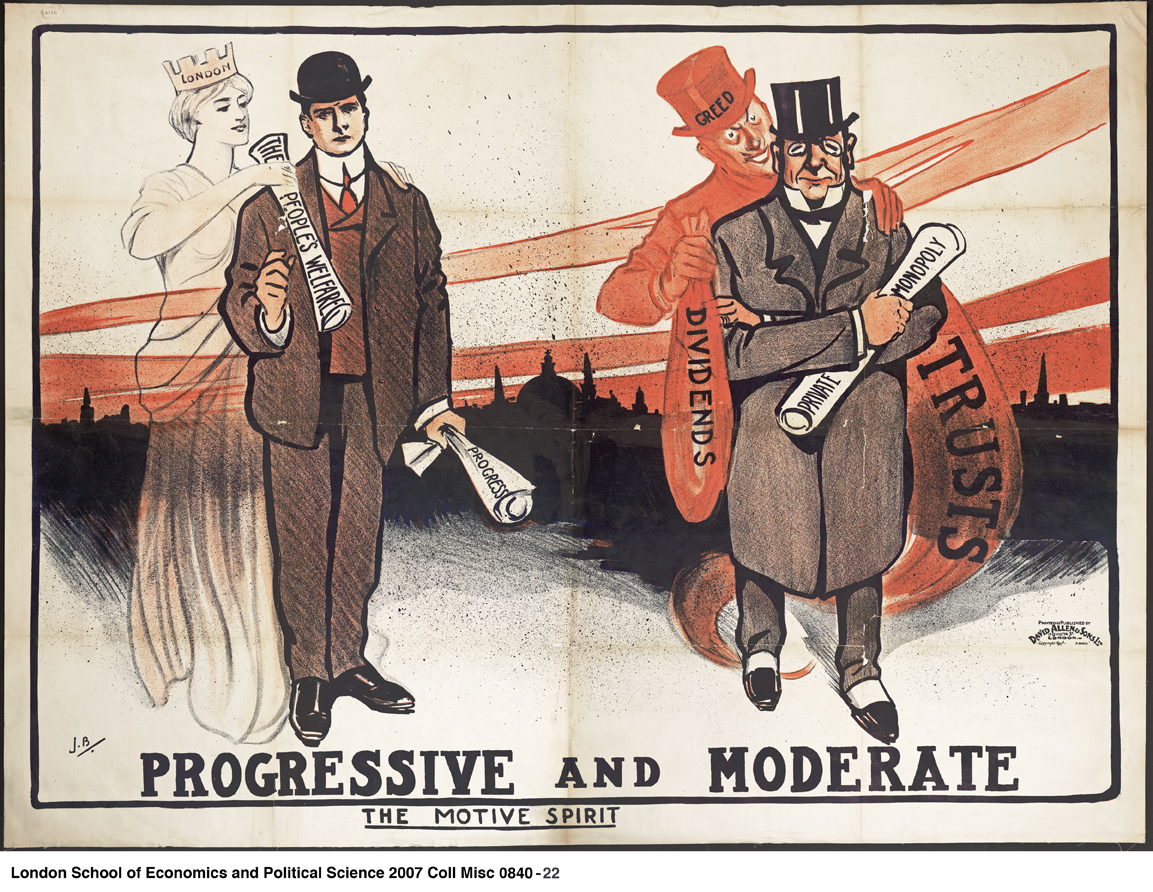
Modernity of our sort produces a certain kind of despair and helplessness because the primary sources of hope are technological development and the institutional efforts of technocrats. The best hope of progress is always elsewhere: the Supreme Court, Silicon Valley, the Justice Department. Looking back we see lots of progress but no role for ourselves in achieving more.
After the families of the victims of the Emanuel AME church shooting unilaterally forgave the shooter , I’ve been thinking again about forgiveness. (Some previous posts here .) In particular, I am wondering again about the relationship between theological and political forgiveness. The classic Enlightenment description of the duty to forgive is derived from the…