Following up their earlier study , John Jay College has produced an analysis of the sex abuse scandal in the US . I think it is mostly quite a good analysis, though there are a few weakness and one or two unnecessarily controversial claims tied to those weaknesses. To my mind, the most crucial section…
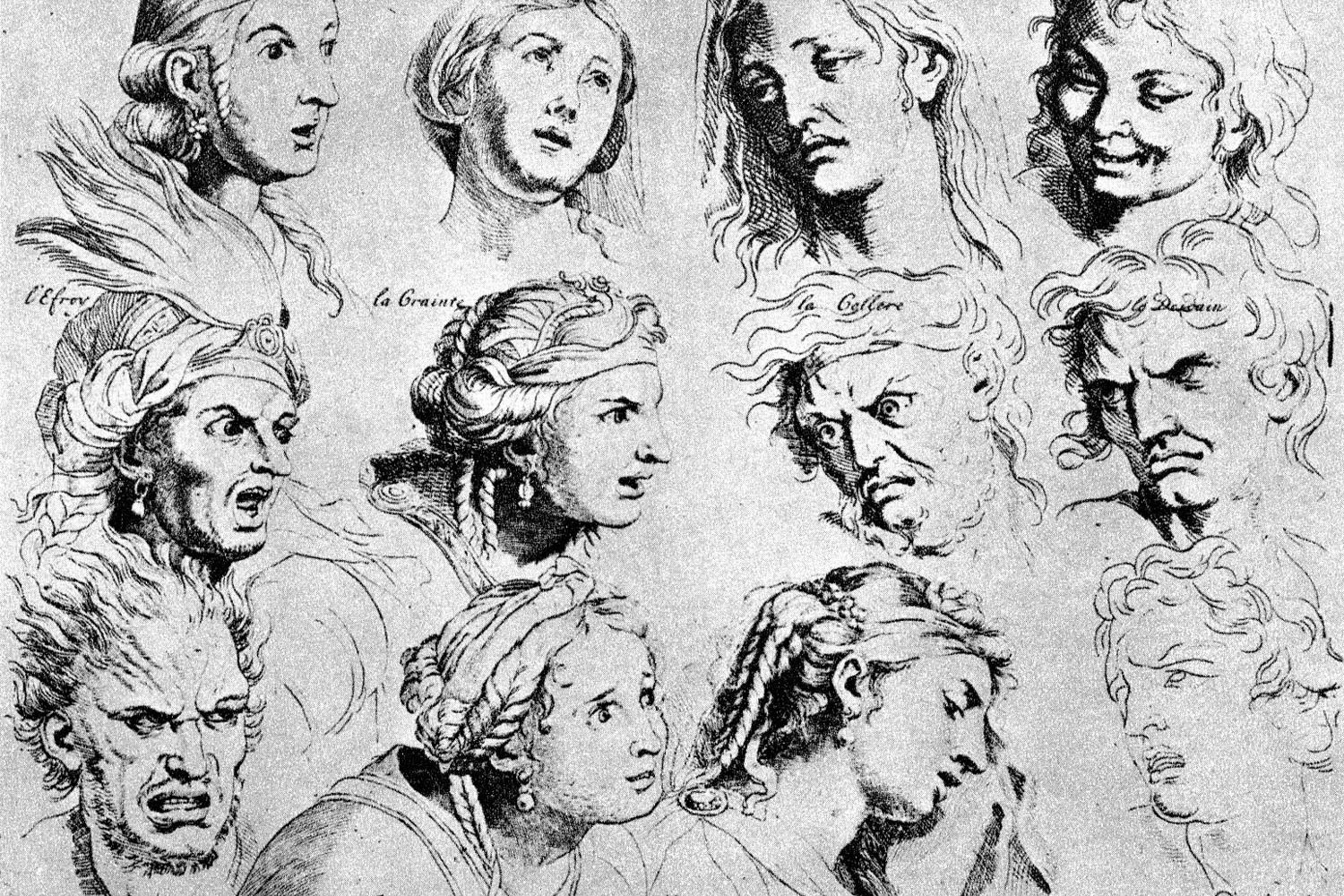
One of the major debates in the philosophy of emotions is whether they ought to be treated as propositional attitudes and judgments capable of truth-tracking or simply as moods that can be appropriate or inappropriate to a context, but not falsifiable or verifiable. The question is whether emotions are a kind of intentional cognition or not….
In Ted Chiang’s short story, ” Liking What You See: A Documentary ,” he offers us a typical science-fictional hypothetical, in the form of a staged debate regarding the value of seeing beauty in others. What if you could remove your own capacity to see the beauty in a human face? While at first this…
Literacy is one of the major factors in female empowerment : As female education rises, fertility, population growth, and infant and child mortality fall and family health improves. Increases in girls’ secondary school enrollment are associated with increases in women’s participation in the labor force and their contributions to household and national income. Women’s increased…
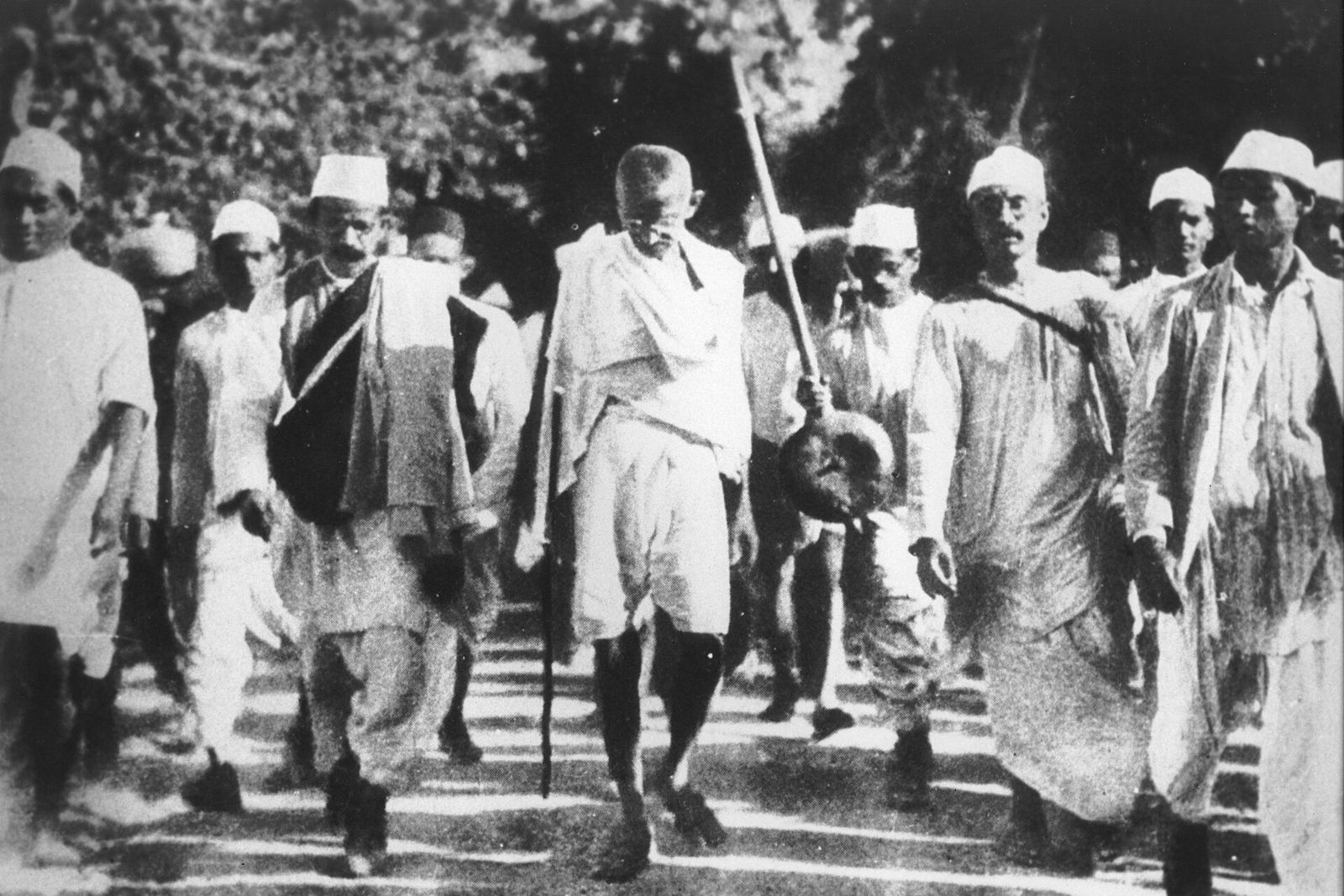
Bryan Caplan echoes my own pragmatic/consequentialist arguments for pacifism : P1: The immediate costs of war are clearly awful. P2: The long-run benefits of war are highly uncertain. P3: For a war to be morally justified, its long-run benefits have to be substantially larger than its short-run costs. C: [B]efore you kill innocent people, you should be reasonably sure…
Because of my work on Hannah Arendt, I often struggle with the apparent incongruity between her account of natality and my own tendency towards antinatalism . Natality is at the heart of Arendt’s project, a rejection of the Heideggerian obsession with mortality and being-towards-death: “It is in the nature of beginning that something new is…
Part 1: Forgiveness and the Problem of Irreversibility Part 2: Forgiveness as a Manifestation of Divine Charity Part 3: A Duty to Forgive? Part 4: Prejudice as the Crystallization of Judgments Part 5: Charity as a Flight from Politics Part 6: Publicity without Politics Following Nietzsche, Arendt speaks of the Christian publicity without politics as world-destruction and ultimately as ‘desertification’: “the…
Part 1: Forgiveness and the Problem of Irreversibility Part 2: Forgiveness as a Manifestation of Divine Charity Part 3: A Duty to Forgive? Part 4: Prejudice as the Crystallization of Judgments Part 5: Charity as a Flight from Politics Part 6: Publicity without Politics Auden’s criticisms of Arendt explicily call for a flight into the invisible and eternal world, which comes…
Part 1: Forgiveness and the Problem of Irreversibility Part 2: Forgiveness as a Manifestation of Divine Charity Part 3: A Duty to Forgive? Part 4: Prejudice as the Crystallization of Judgments Part 5: Charity as a Flight from Politics Part 6: Publicity without Politics In order for us to understand Arendt’s “prejudice against charity” properly, we must evaluate her idiosyncratic understanding…
From Understanding Arguments by Walter Sinnott-Armstrong and Robert Fogelin, which I use in my critical thinking course: Ideologies and worldviews tend to be self-sealing. The Marxist ideology sometimes has this quality. If you fail to see the truth of the Marxist ideology, that just shows that your social consciousness has not been raised. The very…