I wonder if the Cecil story captures why prison reform (let alone abolition) is so difficult. Even among people who think that our prisons are overly punitive, there’s a deep reserve of resentment available to project at anyone who can be identified as having committed a malicious act. So even as we tell ourselves in general that we ought to be merciful, in practice and in particular instances we can always find a justification to be retributive.
One possibility is that we ought to recognize rage and revenge as illicit temptations. But there’s been a lot of work that demonstrates that there’s just as much danger in being overly detached, that even-handedness and “rationality” can serve as illicit temptations as well. So I think the balance is still tilted in favor of punitive measures.
We’re all too well aware of the racism of the system, of the economics of it; even knowing about these things won’t overcome our hair-trigger reactive attitudes. We like to see people brought low, especially when we can tell a story about how they see themselves as better than they are. But for every rich dentist we run out of business, the evidence suggests we are going to see a a lot of teenagers who think they’re above the law.
I know we can’t live without rage and shame. But I still hate this part of us; the cowardly bullying, especially from afar. Hannah Arendt claims that we make a mistake when we focus on our own sins and shortcomings when we view the wrong-doer. She defends pride– at least pride in the capacity to judge–on the grounds that only a proper judgment of the wrong-doing can make the restoration of the victim, perpetrator, and the relationship between them possible. But I’m just not satisfied with that, today: I just don’t see much ground for proper judgment from the spectators. Arendt may have thought we are better than we are. When I think about the social psychology
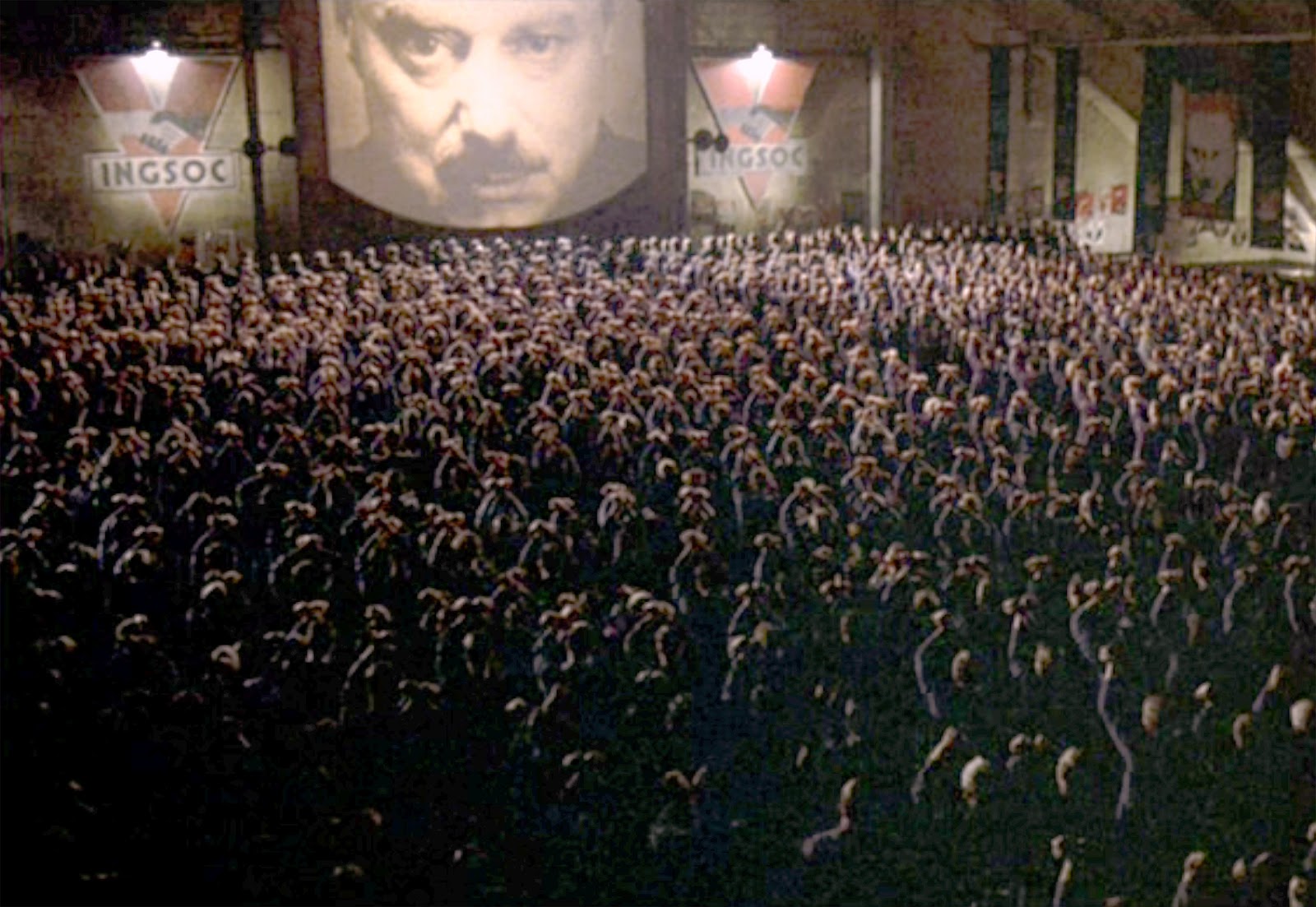
of rage and public shaming in the era of social networks I feel either pessimistic or worse–I hope that we’ll find ways to mobilize it well, fairly, and in the name of justice. I’m like a gun owner pretending that I’ve bought the weapon for self-defense despite ample evidence it’s more likely to kill me or those I love than protect us. It seems undeniable that our arsenal–our institutional and collective capacity for ” two minutes hate “–is just getting stronger.
Everyone always learns the wrong lesson from the Stanford Prison Experiment and the Milgram Shock Study: we always think it means that other people are horrible. We ignore the possibility that we might be horrible, too, given the right circumstances.